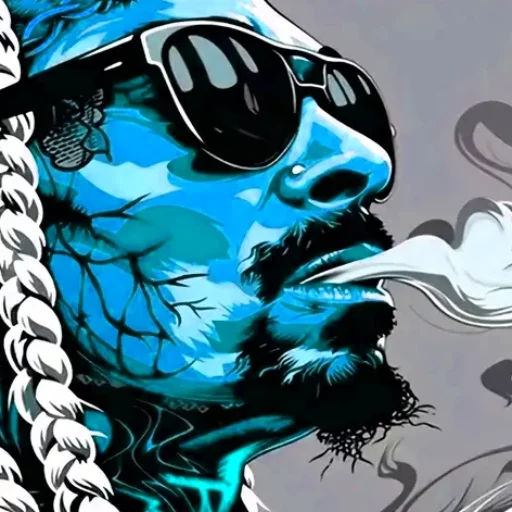
Spotify music promotion in 2026 is not just about the audio file anymore. Spotify is pushing deeper into video, and that changes how independent artists should think about a release. If you are dropping a rap single with a strong visual world, a performance clip, or a real music video, that content can now live much closer to the song instead of doing all the work on TikTok or YouTube and hoping people eventually make it back to Spotify.
On June 17, 2026, Spotify announced a beta that lets eligible artists upload full-length videos directly through Spotify for Artists. That includes official music videos, live performances, studio sessions, and covers. Spotify says those videos can be royalty-bearing and may be chart-eligible. That is a serious shift because the visual is becoming part of the streaming product itself, not just promo sitting outside it.
Stop Treating the Video Like an Afterthought
Too many artists still build a rollout backward. The song gets finished, the distributor gets the file, release day gets picked, and then somebody asks, “What are we posting?” That is not a rollout. That is cleanup.
If your record has a real visual identity, plan the audio and video together. The cover art, short-form clips, performance footage, teaser edits, artist photos, and full-length video should all feel like pieces of the same campaign. When a fan sees one part, they should recognize the rest instantly.
Spotify’s new video setup gives that strategy more weight. According to Spotify for Artists, people who streamed a video on Spotify later streamed that song 64% more often on average over the following three weeks. Spotify also says those listeners streamed the artist’s catalog more afterward. That does not mean a video automatically makes a song blow up. It means the visual can deepen the connection once somebody is already paying attention.
Build One Visual World Around the Record
Young artists already understand that a song needs moments. The mistake is creating twenty random moments that look like twenty different campaigns.
Pick a visual language and stay on it. Maybe the record is cold, minimal, late-night street footage. Maybe it is bright, chaotic, handheld energy. Maybe it is studio footage that feels raw enough to put the listener in the room. Whatever the lane is, keep the color, styling, locations, editing rhythm, and attitude connected.
Then cut the campaign into layers:
- Short teaser: the strongest five to ten seconds for social.
- Performance clip: something that proves the artist can carry the record.
- Story clip: where the line, beat, or concept came from.
- Full video: the complete visual statement tied to the release.
You are not making “content.” You are building repetition around the same record until the audience recognizes it without being told.
Use Spotify Video Like a Second Release Moment
One of the smartest moves is not burning everything on day one. The audio can drop first. Then the full-length video can become another reason to talk about the song a few days or weeks later.
That gives you a second wave without pretending the record is brand new. You can re-cut the strongest scene for TikTok, post a behind-the-scenes moment, send fans back to Spotify, and give existing listeners a reason to spend more time with the song.
Spotify says videos uploaded through Spotify for Artists can appear in a dedicated Video tab, and eligible videos may surface in video playlists and fan notifications. The beta is still limited, so not every artist will have access yet. If you do have access, treat it like another distribution surface inside the platform, not just a bonus feature.
Do Not Upload Whatever Is Sitting on Your Camera Roll
This is where artists get lazy. A new feature drops and suddenly every unfinished visual gets uploaded because “more content is better.” No. Weak visuals can make a strong record feel smaller.
Spotify currently recommends landscape 16:9 for full-length video and says visualizers, lyric videos, multi-song concerts, and videos without music are not supported in the direct-upload beta. That should tell you the direction: this is meant to feel like real music video content, not filler.
If you do not have a full production budget, keep the concept simple and intentional. One location with a strong look beats five locations with no identity. A clean live performance beats a fake cinematic video that looks unfinished.
Make the Streaming Profile Match the Campaign
When the video brings somebody deeper into Spotify, the rest of your profile has to hold up. Update the artist image. Use Artist Pick. Make sure the bio does not read like it was written three eras ago. Check the Canvas. Make sure the newest release is easy to find.
The point is simple: if the fan arrives because the visual worked, do not give them a dead-end profile.
That is also where broader Spotify promotion can fit into the campaign. Video can deepen attention, while playlist and discovery exposure can help put the track in front of more listeners. The best rollout is not one magic tactic. It is several relevant surfaces pushing the same record in the same direction.
The New Rule: Every Drop Needs More Than One Door In
A listener might find you from a TikTok edit. Another might hit a playlist. Another might see a performance video. Another might hear the hook in a friend’s car and search your name later.
Modern Spotify music promotion is about giving the record multiple ways to be discovered and multiple reasons to stay alive after release day. Full-length video makes that easier because the visual can now live closer to the music itself.
Do not just drop the song and pray. Build the world, cut the moments, release them in waves, and give the fan somewhere to go next.